
YES, IT HAS BEEN BREWING SINCE 1040
NO, THAT IS NOT WHY WE CHOSE IT
more behind the bar
Weihenstephaner is not a museum with a brewhouse attached.
It produces a proper range of Bavarian classics, each with its own character and a clear reason to be in the fridge.
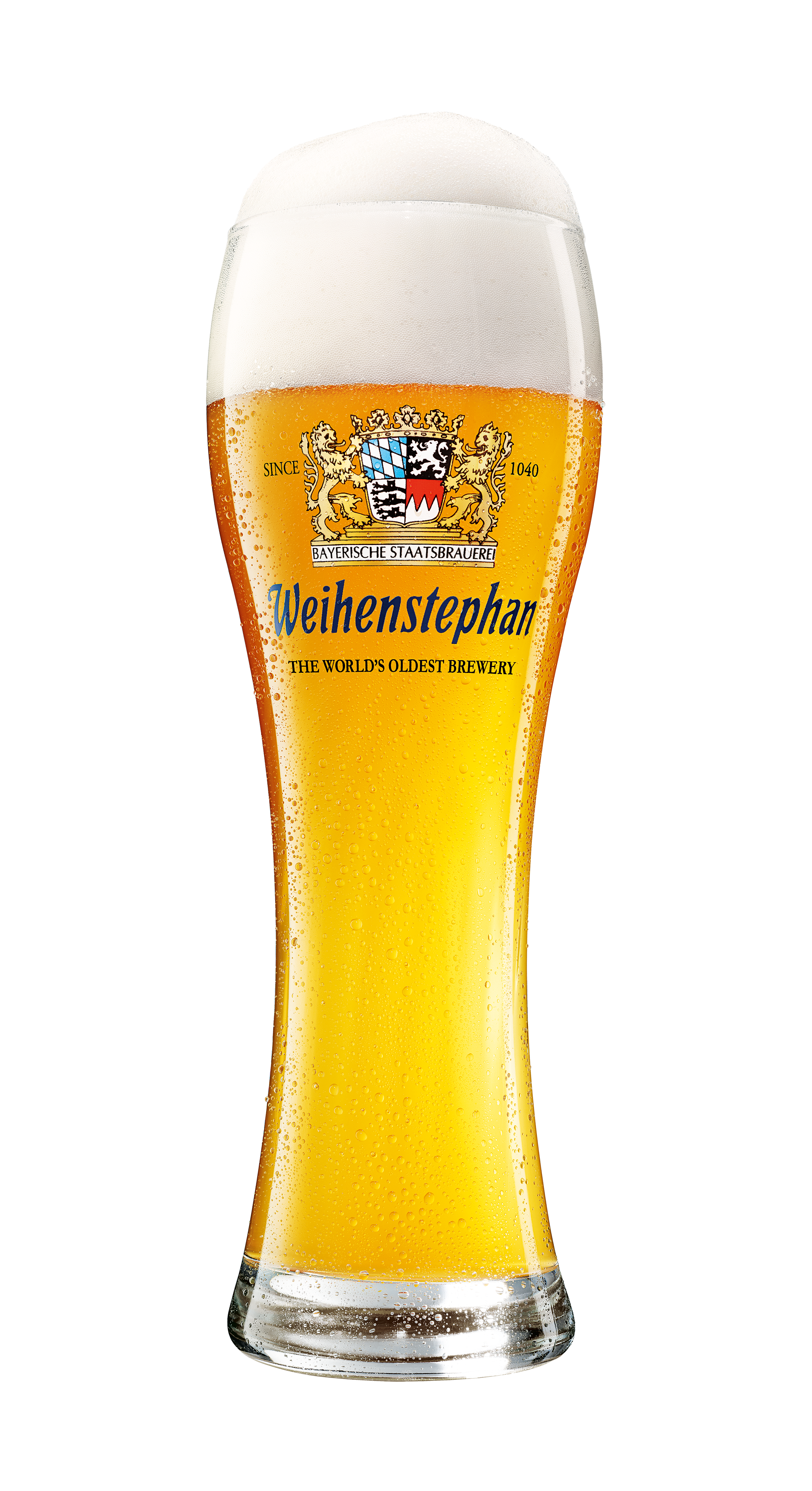
Hefeweissbier is the natural starting point. Cloudy, lively and unmistakably Bavarian, it brings together ripe banana, spicy clove, soft malt and refreshing carbonation. It is generous without becoming heavy and familiar without ever feeling ordinary.
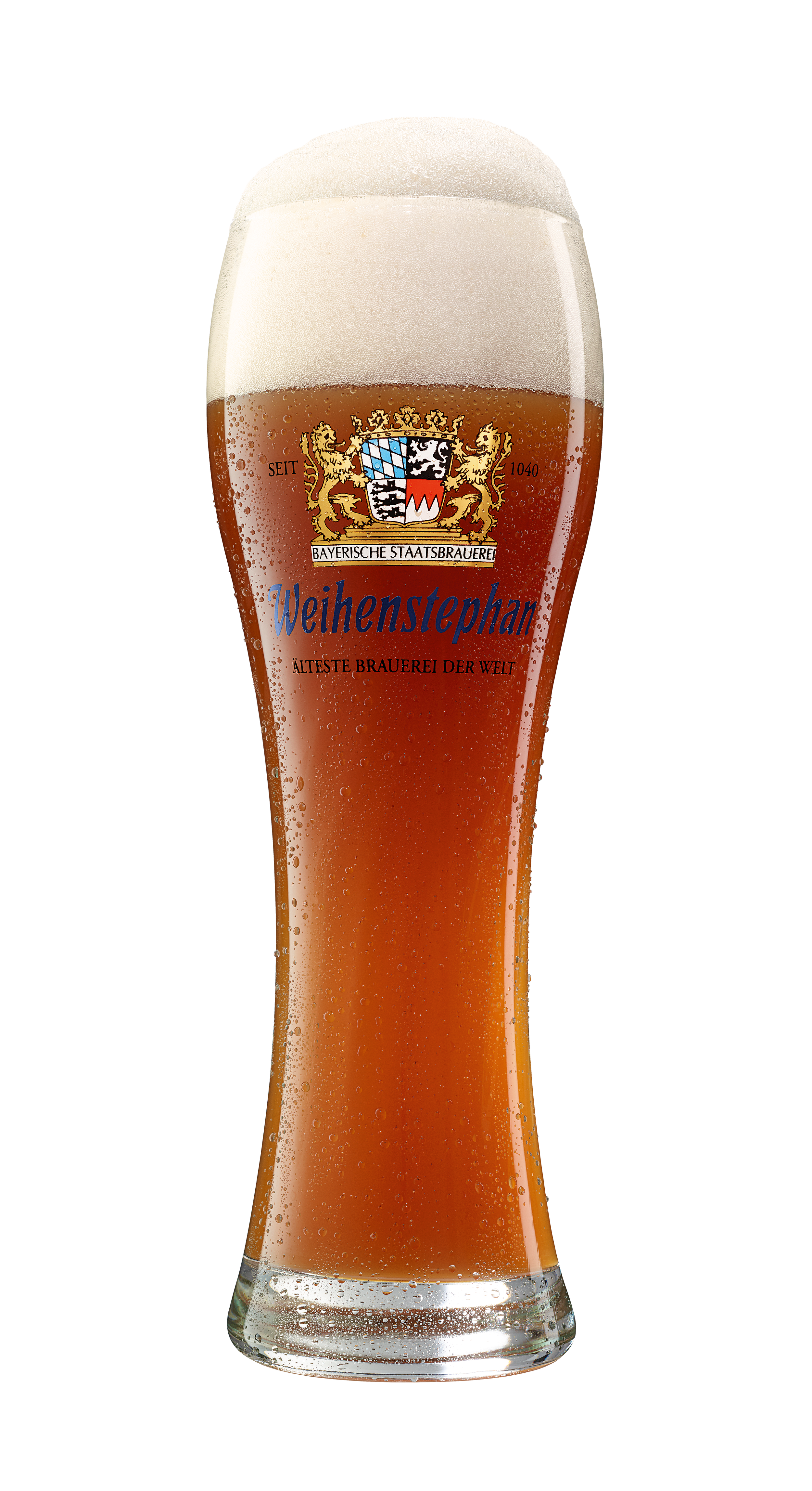
Hefeweissbier Dunkel takes that familiar wheat-beer character in a darker direction. Banana and clove remain, now joined by caramel, toasted grain and deeper malt. It has more richness, but not at the expense of refreshment.
Original Helles demonstrates how much work goes into making a beer seem effortless. Soft malt, gentle hops and a clean finish make it exceptionally easy to drink.
Simple, in the same way that making an excellent omelette is simple.
Tradition Bayrisch Dunkel brings roasted malt, caramel and subtle red fruit, followed by enough bitterness to keep everything in order. Darker and fuller, certainly. Heavy and sweet, absolutely not.
Vitus is the range’s wheat bock: stronger, fuller and rather less innocent than its pale appearance suggests. Apricot, citrus, banana and clove sit within a creamy, rounded body, creating a beer that carries its strength with suspicious ease.
Together, the five beers provide a convincing route through Bavaria: pale lager, dark lager, classic wheat beer, dark wheat beer and wheat bock.
Weihenstephaner has been brewing beer in Freising since 1040.
That makes it the world’s oldest brewery and gives it a considerably longer company history than most businesses can fit on an About Us page.
It is an extraordinary story. It is not, however, the reason we partner with Weihenstephaner.
We chose it because the beers are excellent: clean, balanced and unmistakably Bavarian, with plenty of character and very little interest in unnecessary complication.
Nearly a thousand years of experience certainly helps.
Using it properly matters more.
We are proud to partner with the Bavarian State Brewery Weihenstephan, a brewery whose reputation has been earned over centuries and confirmed every time someone lifts a glass.
Its wheat beers are lively, generous and full of fruit and spice. Its lagers are crisp, rounded and quietly precise. Even its stronger beers remain remarkably composed.
The date gets your attention. The beer explains why Weihenstephaner is still here.
WHY WE CHOSE Weihenstephaner
We knew Weihenstephaner by reputation.
We chose it by tasting the range.
The Hefeweissbier has everything you want from the style: ripe banana, clove, soft malt and a lively finish. The Helles is gentler and more restrained, but every bit as assured. The darker beers bring depth without losing the ability to refresh.
Then Vitus arrives and demonstrates how much strength a beer can conceal behind very good manners.
What impressed us was not one standout bottle, but the consistency across them. Every beer is recognisably part of the same family, yet each has a clear character and purpose.
They are traditional styles, confidently made. Nothing has been overworked, overexplained or given a novelty ingredient in the hope that someone will photograph it.
Weihenstephaner simply understands Bavarian beer.
Rather useful in a Bavarian brewery.
1040.YES, REALLY.
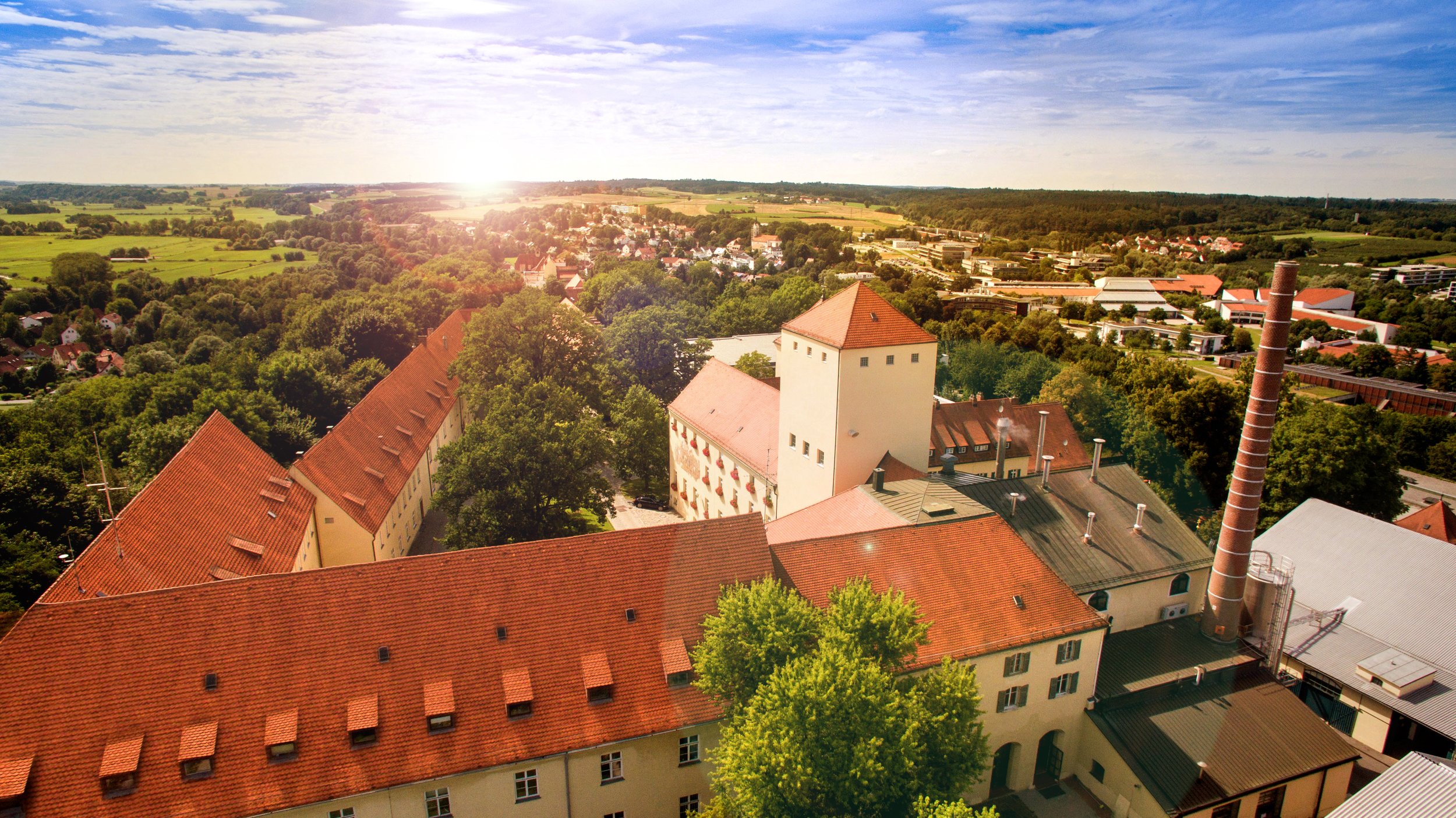
Weihenstephaner’s official brewing history begins in 1040, on the Weihenstephan hill above Freising.
That gives us almost a thousand years to cover.
We will be selective.
The brewery began as part of the Benedictine monastery of Weihenstephan and passed through fires, plagues, wars and several changes of ownership before becoming the Bavarian State Brewery it is today.
The location has also become an important centre for brewing education and research. This means Weihenstephaner has centuries of tradition on one side and serious brewing science on the other.
An enviably well-stocked toolbox.
You can taste that combination in the precision of the beers. Fermentation character is expressive but controlled. Malt brings flavour rather than weight. Bitterness is used carefully, and even the stronger styles know when to stop.
Tradition provides the foundations.
Technical knowledge keeps the roof on.
made for the table
Bavarian beer rarely objects to the arrival of food.
Original Helles belongs beside schnitzel, roast chicken, sausages and anything fried until properly golden. Its soft malt complements savoury flavours, while the clean finish prepares everyone for the next mouthful.
Hefeweissbier has the fruit, spice and lively carbonation for seafood, salads, grilled chicken and gently spiced dishes. It is also perfectly happy with Weisswurst and a pretzel, because some traditions need very little improvement.
Hefeweissbier Dunkel works well with roast pork, caramelised onions, mushrooms and smoked meat. Its darker malt flavours meet richer dishes without overwhelming them.
Tradition Bayrisch Dunkel is ready for beef, game, mature cheese and anything involving a dark, savoury sauce.
Vitus can handle richer dishes, creamy cheeses and fruit-led desserts. It also works rather well after dinner, when matching beer with food has become less urgent.
The breadth of the range gives restaurants and bars plenty to work with. These are styles that can be explained in a sentence, paired across a menu and enjoyed without turning every order into a guided tasting.
People can explore them carefully. They can also simply have a beer.
We consider both perfectly valid.
five beers
no passengers
A brewery range can easily become a collection of minor variations wearing different labels.
This one does not.
Hefeweissbier is bright, fruity and refreshing. Hefeweissbier Dunkel offers something deeper. Original Helles handles the first round with suspicious ease. Tradition Bayrisch Dunkel belongs beside dinner. Vitus is ready for the moment when nobody is particularly interested in going home.
There is a natural route through the range, but no required order.
Someone new to Bavarian beer can begin with the Helles or Hefeweissbier and immediately understand the appeal. More experienced drinkers will find plenty to explore in the darker and stronger styles.
No specialist vocabulary is necessary. Although “another, please” may prove useful.