MONASTERY BEER. ACTUALLY
BREWED ON BAVARIA’S HOLY MOUNTAIN. NO MONKS WERen’t INVENTED BY THE MARKETING DEPARTMENT!
HISTORY YOU CAN ACTUALLY TASTE
There are older breweries. There are bigger breweries. There are certainly louder breweries.
Few bring together place, history and genuinely enjoyable beer as naturally as Andechser.
Its heritage is real, but it never needs to dominate the conversation. You do not have to know about Benedictine history or Bavarian pilgrimage routes to appreciate what is in the glass.
You only need to like good beer.
That is why we partner with Andechser. Not because it has been brewing for more than 550 years, but because after all that time, it still knows exactly what it is doing.
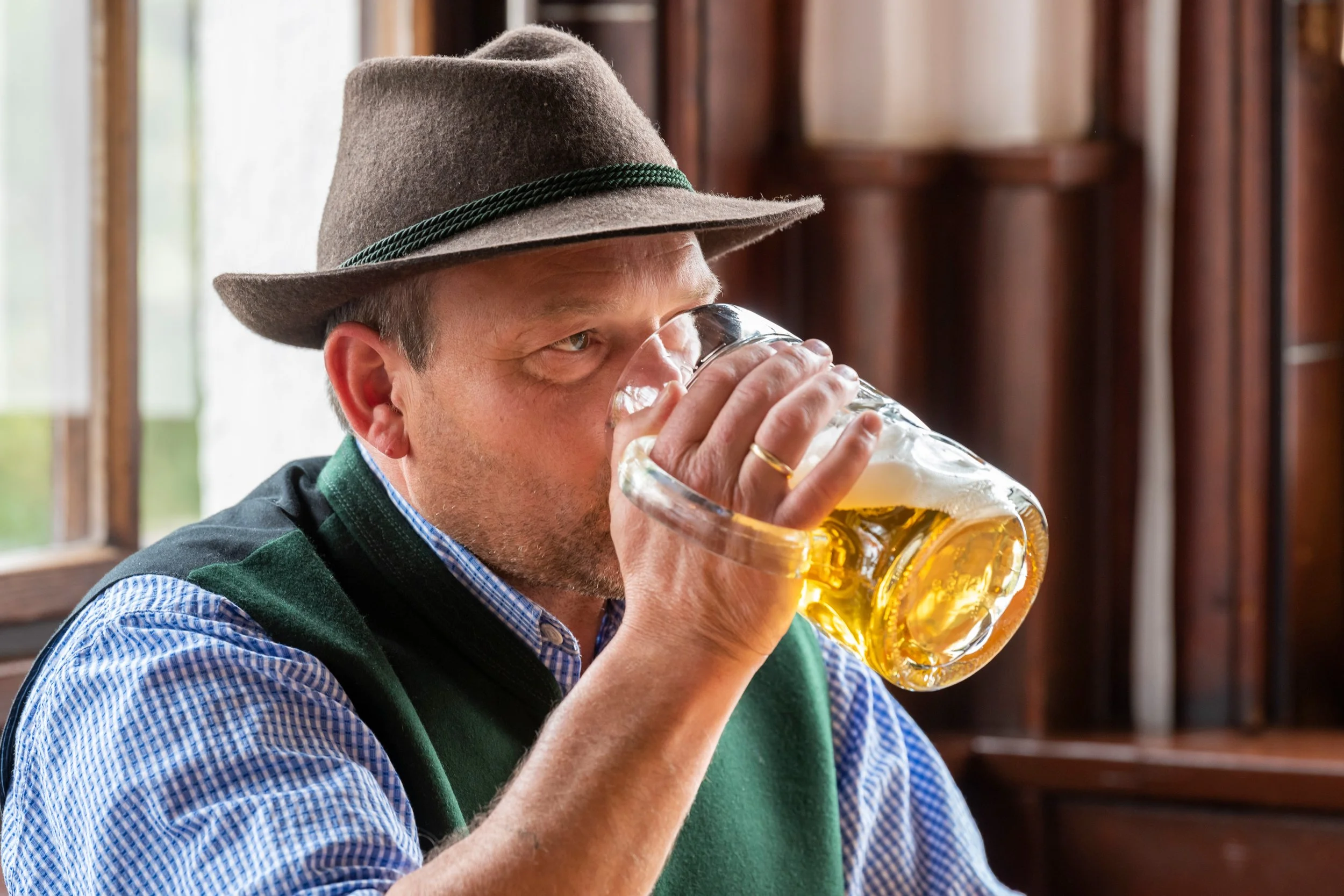
We are proud to partner with Andechser, a genuine Benedictine monastery brewery with more than 550 years of brewing behind it.
The beer is still brewed in Andechs, at the foot of Bavaria’s Holy Mountain. The brewery remains independent, the monks remain involved and the liquid remains unmistakably Bavarian.
There is plenty of history here, but that is not why we chose it.
We chose Andechser because the beers are excellent. Clean, generous and full of character, with the kind of balance that makes the first glass disappear surprisingly quickly.
The monastery story gets your attention. The beer makes sure you order another.
WHY WE CHOSE andechser
Monks have become rather popular in beer marketing.
Andechser has the unusual advantage of actually having some.
The brewery belongs to the Benedictine Abbey of St Boniface in Munich and Andechs. Beer has been brewed there since the 15th century, originally as part of the monastery’s tradition of welcoming pilgrims to the Holy Mountain.
That is a good story. More importantly, it still feels connected to the beer.
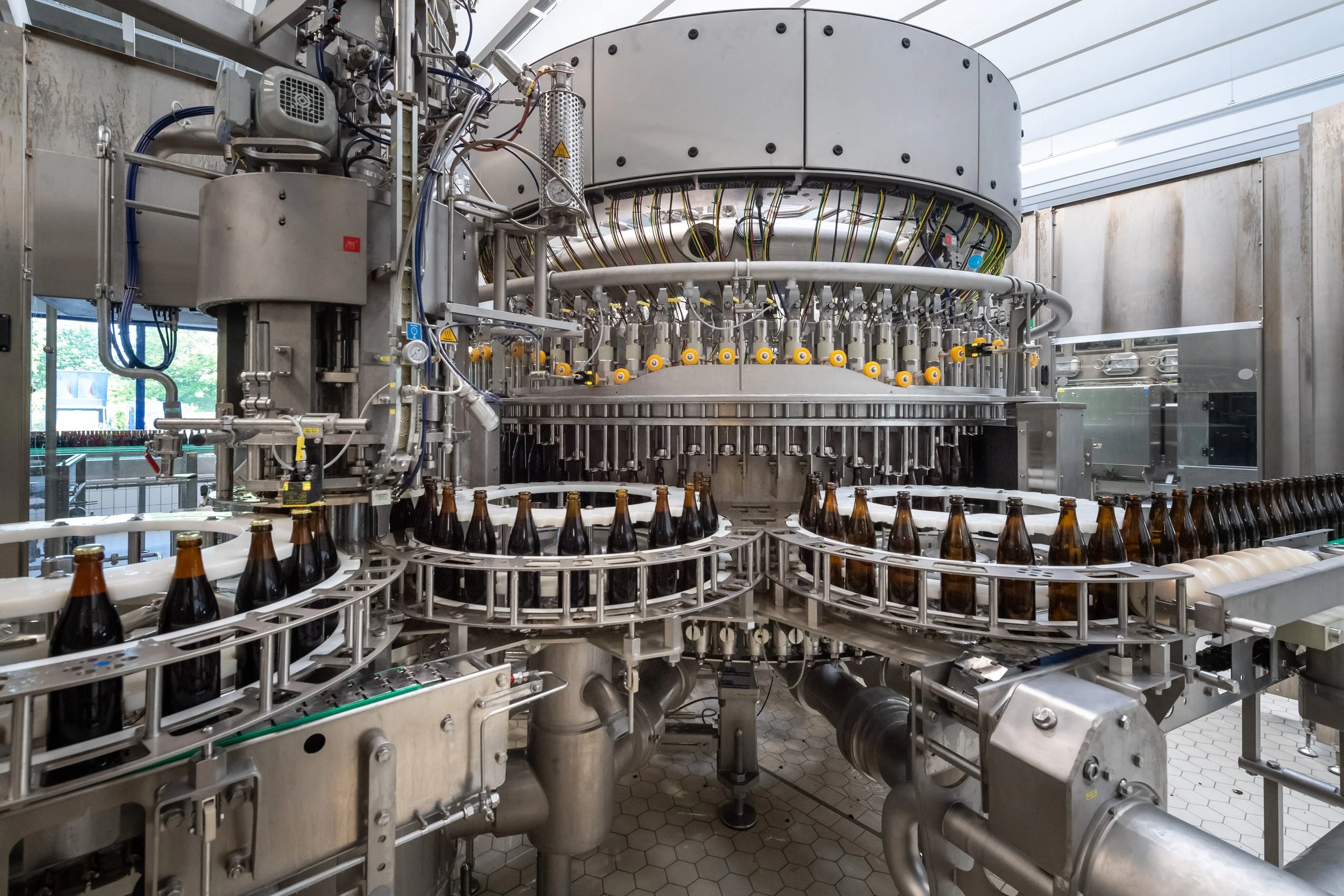
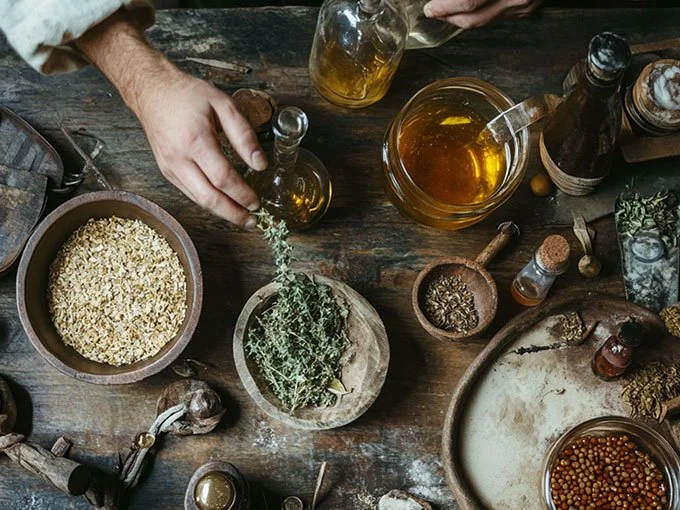
Andechser is not a monastery name attached to an industrial lager made somewhere else. It is brewed only in Andechs, using Bavarian malt, Hallertau hops and methods that favour flavour over speed.
There is also real breadth to the range. Helles for the first round. Wheat beer when something fruitier is required. Dunkel with dinner. Doppelbock when everyone has sensibly decided not to leave yet.
This is traditional Bavarian beer without the costume drama.
550 years without cutting corners
Andechser has been brewing since 1455.
We will spare you the complete timeline.
What matters is that the brewery has kept the parts of tradition that still improve the beer. It uses a more involved multiple-mashing process to build flavour and gives its lagers proper time to ferment and mature.
Some beers spend up to six weeks in the cellar.
That is not particularly efficient.
It is, however, particularly good for the beer.
The result is a distinctive house style: rounded malt, clean fermentation and plenty of flavour without unnecessary noise. Even the stronger beers remain remarkably composed.
Occasionally dangerously so.
BAVARIA IN MORE THAN ONE GLASS
Andechser is not a one-beer story.
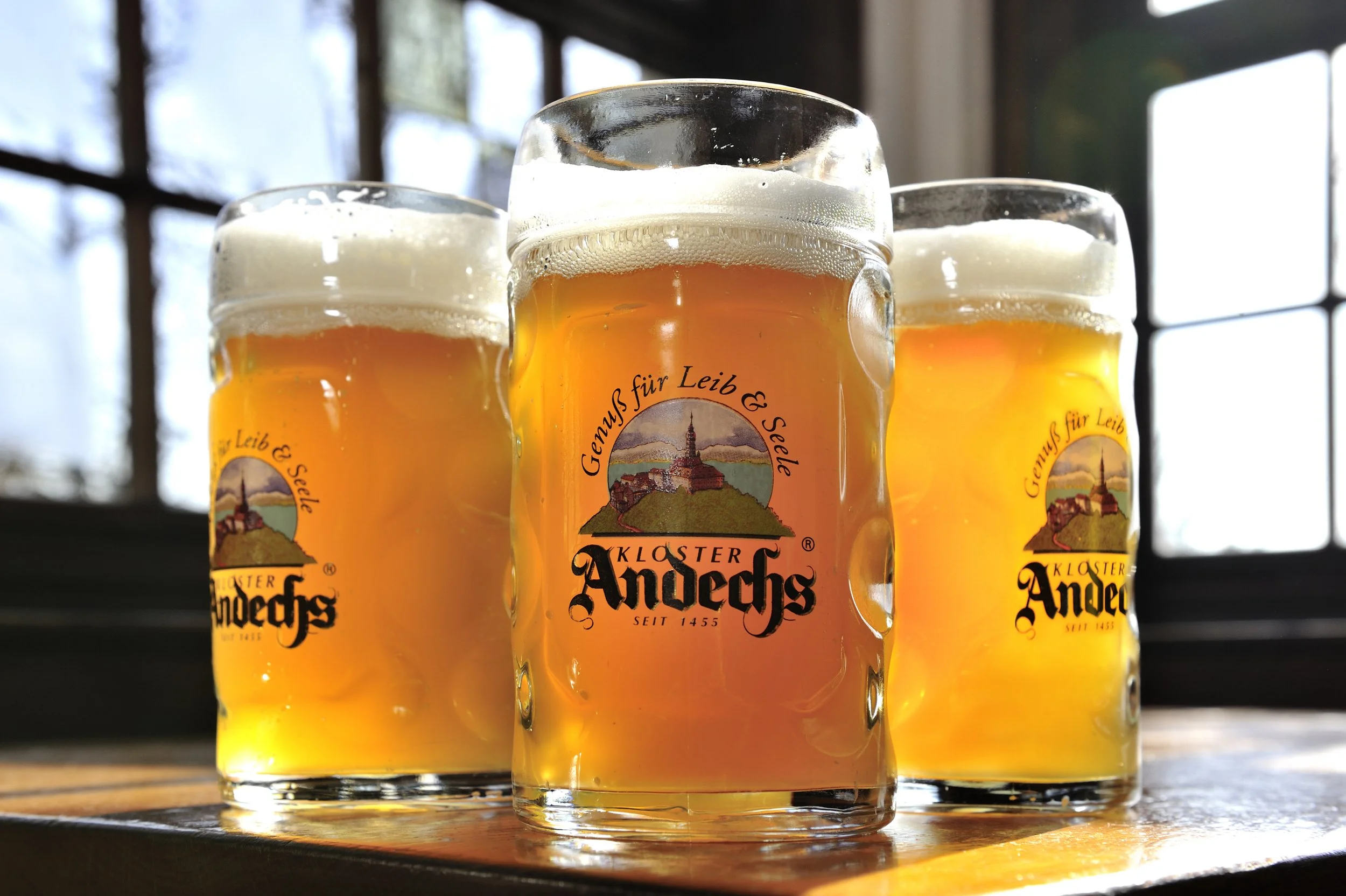
The Helles is soft, crisp and quietly malty—the sort of lager that reminds you simplicity is difficult to do well. Spezial Hell is fuller and richer. Export Dunkel brings toasted bread, caramel and darker malt without becoming heavy.
The wheat beers are lively with banana, clove and ripe fruit, while Bergbock Hell and Doppelbock Dunkel show what happens when Bavarian brewing turns up the strength without losing its balance.
Together, they offer a proper route through the classics.
Nothing has been packed with novelty ingredients. Nothing tastes as though it was invented during a branding workshop. These are established styles brewed with confidence by people who understand them.
A radical idea, apparently.
made FOR
the table
Andechser beer is exceptionally good at sitting next to food.
Helles belongs with schnitzel, roast chicken, sausages and anything fried until golden. Weißbier has the fruit and freshness for seafood, salads and gentle spice. Dunkel works beautifully with roast pork, mushrooms and smoked meat.
Doppelbock is ready for rich stews, strong cheese and the part of the evening when dessert starts to look optional.
The range also gives bars and restaurants plenty to work with. The styles are easy to introduce, distinctive enough to remember and familiar enough that customers do not need a ten-minute explanation before ordering.
These are beers people can explore. They are also beers people can simply drink.
We consider both important.